Making It Stick: Five Years of Institutional Capability-Building
Department of Health and Aged Care
Strategic Insight And Foresight, Future Ways Of Working, Human Centred Digital Transformation, Better Government, Connected Health
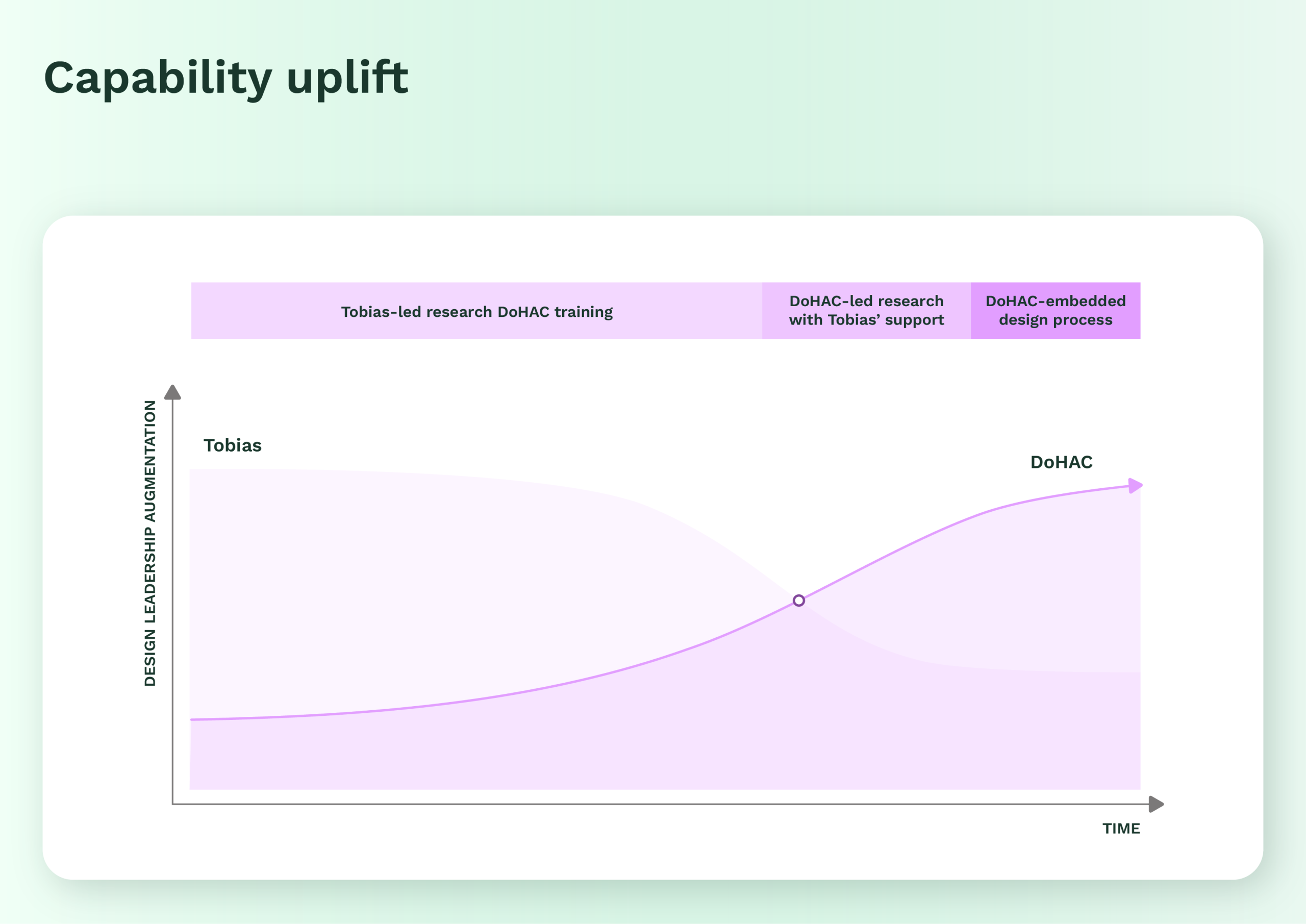
Over five years, five digital health projects reshaped government decision-making, proving the transformative power of human-centred design. In partnership, DoHAC and Tobias cultivated internal design capability, building a shared language, skillset, toolset, and a mindset that’s now in practice and empowers policymakers across the branch to drive data-driven, consumer-informed policies.

Design Strategy
Awarded in 2025
Policy Design
Awarded in 2025
From siloed policy to systemic solutions
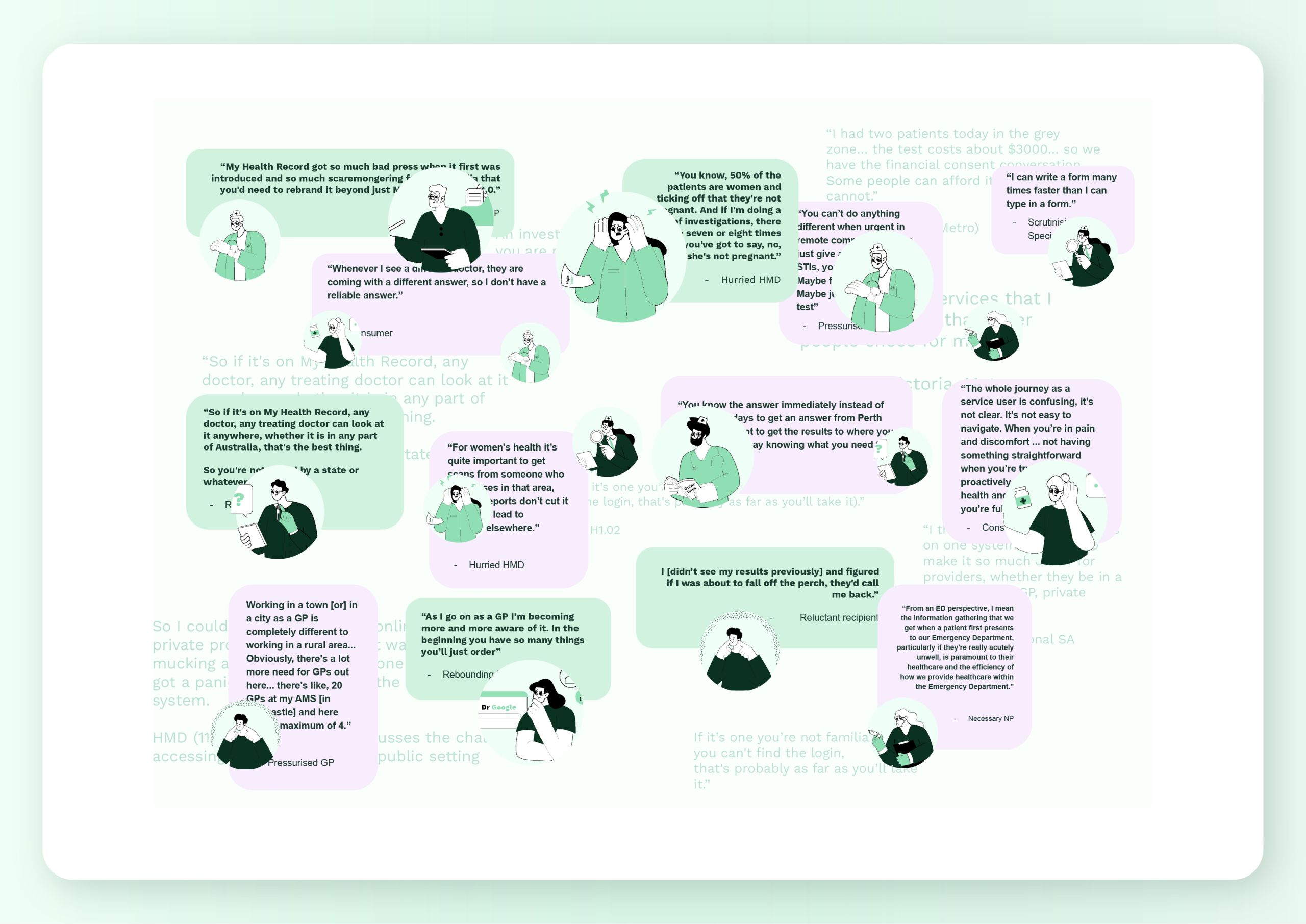
Historically, siloed policy development and rigid budget constraints in government have led to challenges, limiting inter-agency collaboration and systemic views of the issue at hand that are critical for population healthcare. At the outset of this five-year journey, the organisation lacked a formal strategy for integrating human-centred design, with no internal alignment on an approach. The challenge was to transform policymaking into a design-led, end-user-informed model, balancing the needs of consumers, clinicians, and industry. By grounding policies in exhaustive research that intentionally broadened the inquiry, the team sought to create institutional conditions that would support human-centred, systemic, impactful healthcare solutions.
A movement for data-driven, consumer-informed policies
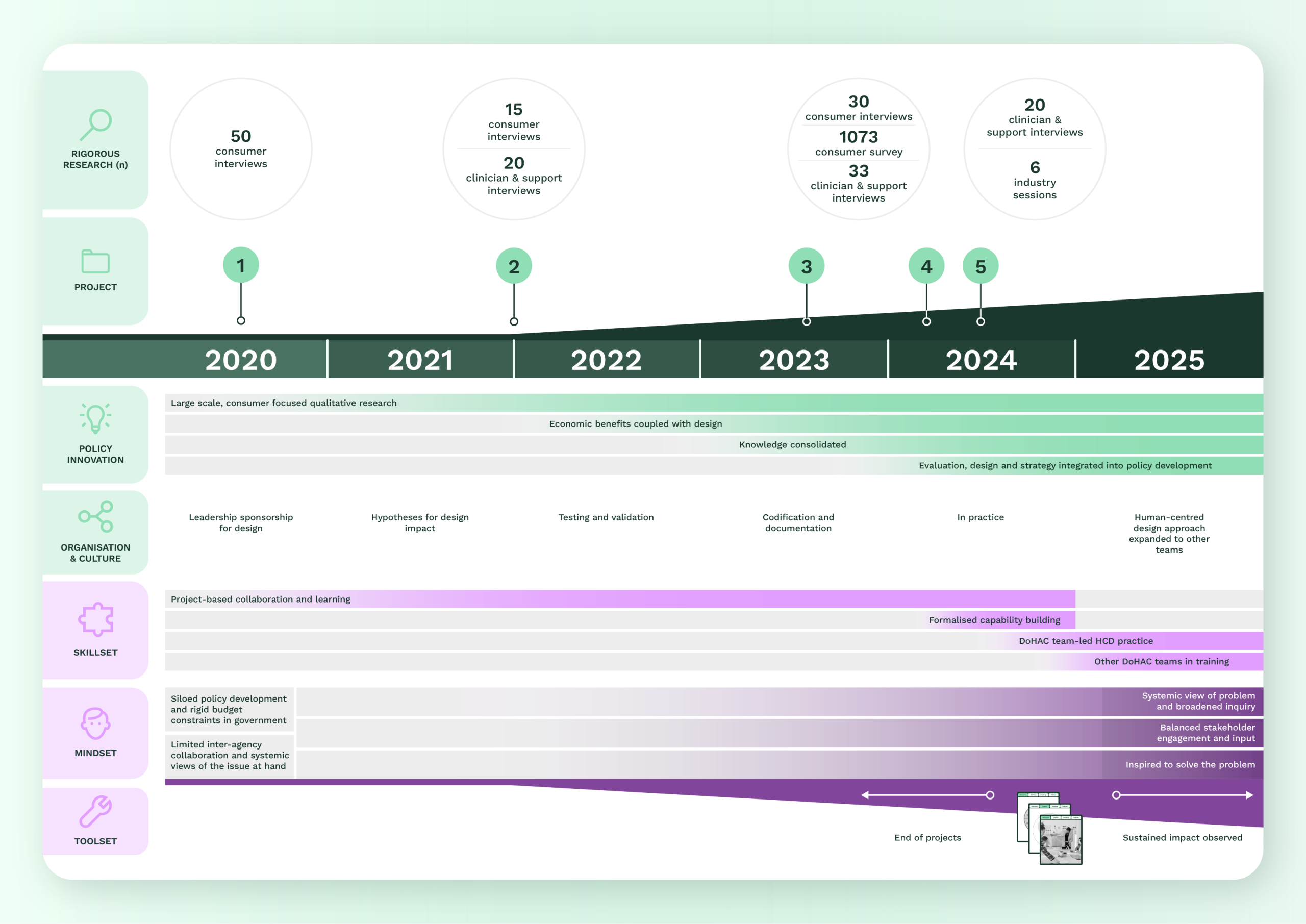
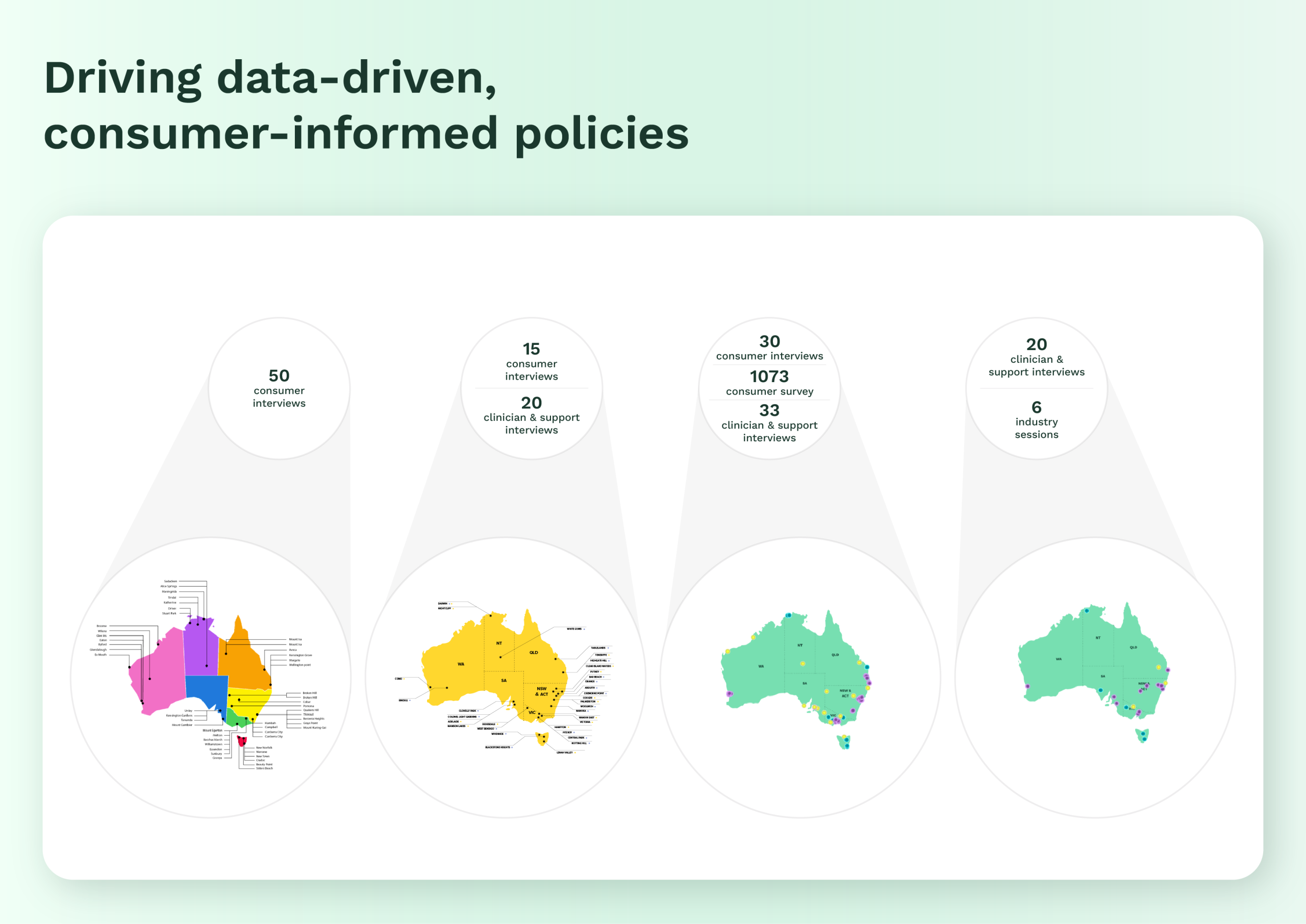
In complex ecosystems, strategy must evolve, uncovering and responding to unknowns along the way. In 2019, a handful of design champions established the Health Design Lab at DoHAC to create a movement at a time when design thinking in policy was unprecedented and lacked widespread commitment. The team carefully identified and sponsored five projects between 2020-2024, proving the strength of human-centred design each time. Scaffolding on the successful outcomes of each project, they gradually built internal capability, gained organisational buy-in, and codified a new approach to integrating design into policy-making, reshaping how government drives impactful, consumer-informed decisions.
Structured process for policy development
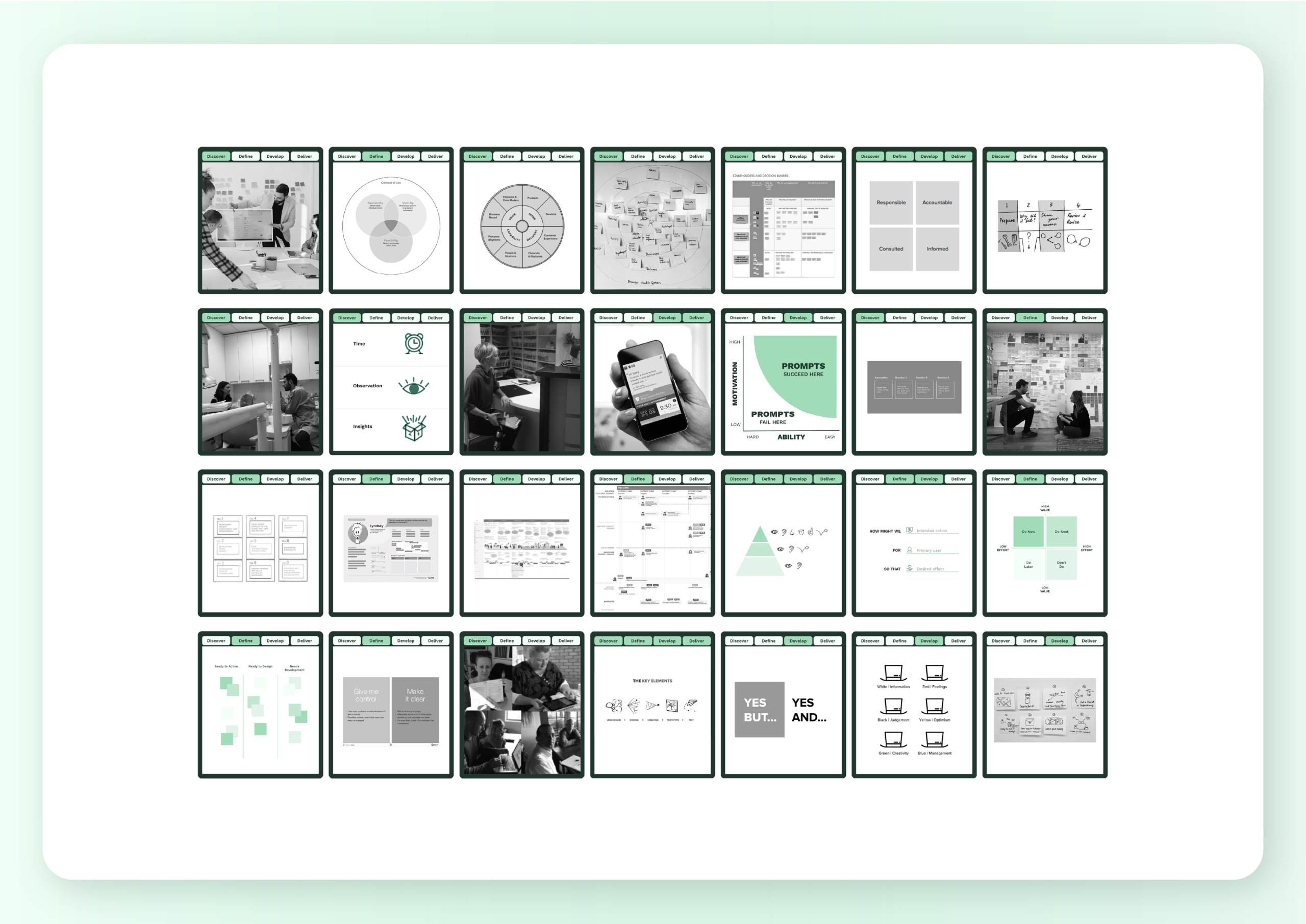
The coordinated actions transformed health policy development, embedding human-centred design into the government’s mindset, practice, and frameworks. By optimising workflows, strengthening stakeholder engagement, and establishing a scalable decision-making model that takes an ecosystem view to the problem, it shifted policymaking from budget-driven, siloed solutions toward consumer, clinician, and industry-informed policies. The success of this approach was rooted in consistency in methodology, proving that by honouring a structured process, policy development lands where it should be. Today, the internal team sustains this shared language and approach, having been trained in human-centred design, ensuring long-term impact and continuous innovation across the Department.