Ensuring the digitisation of diagnostic imaging services meets patient and clinician needs
Department of Health and Aged Care
Better Government, Connected Health, Human-centred Digital Transformation

The Department of Health and Aged Care’s Modernisation of Diagnostic Imaging project aimed to provide the option of digital referrals, requests, and results as an alternative to current paper and hard-copy image processes. Improvement of this key healthcare system process could save the Government millions of dollars and provide a better experience for both patients and clinicians.
What impact does the current diagnostic imaging process have on patients lives and health outcomes
In order to define the best way forward the Department of Health and Aged Care, Digital Health Division wanted to take a human-centred design approach.
They needed to understand the current state experience of patients in using diagnostic imaging services, the current pain points and needs of patients while booking the appointment, receiving and storing the reports, and communication with different medical professionals.
Before proposing any changes to the system they wanted to understand the impact the current diagnostic imaging process has on patients lives and health outcomes and the potential drivers for change and opportunities for improvement through digitisation of the current process.
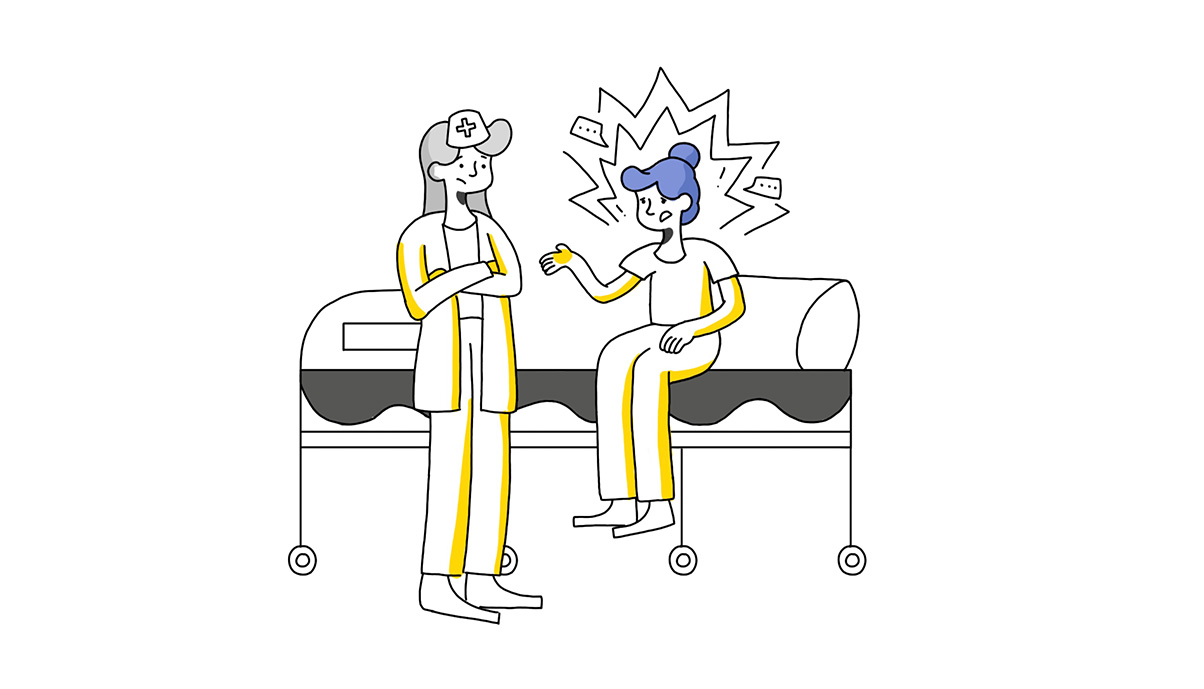
Tobias designed an inclusive approach to gathering the evidence to inform the change.
Tobias designed an inclusive approach to gathering the evidence to inform the change. Qualitative methods were used to get beyond the statistics and really understand how diagnostics and the surrounding experience impact people’s lives, their perceptions, behaviours, health decisions, and outcomes.
Participants were recruited nationally across metro, regional, and rural areas. In total, 35 participants were engaged including 15 patients who have recently interacted with some form of diagnostic imaging and 20 clinicians who utilised diagnostic imaging within their clinical practice.
The research was conducted remotely over 60 minute, in-depth interviews using video conferencing software. The research contextualised the participant’s experience of diagnostic imaging in their personal health journey or clinical experience producing rich qualitative research insights. Through rigorous analysis and synthesis, we identified what key barriers and behaviours were causing problems, and what could be done to change this. We also identified the system strengths and deficits which could lead to opportunities for improvement.
Strategic Design
Utilising our findings from the current state research, we identified specific needs relating to both cohorts which drove the development of clinician and patient specific opportunities and features for the future state design.
We developed four primary patient archetypes and four professional (clinician archetypes).
The patient archetypes provided insights into the varying needs of consumer groups and primarily highlighted the importance of information, trust in the system, and cost and time efficiency for this cohort.
The clinician archetypes encapsulated the individual pain points and needs of the professional cohorts. These groupings provided insights into the interdependence of clinicians, specific needs of professionals at different phases of the Diagnostic Imaging process and how the digitisation of Diagnostic Imaging could improve workflow, cut costs and provide clinician and industry progress.
Prototype
We proposed opportunities in the form of functional features in a conceptual future state design based on pain points and needs addressed in the current state research.
We structured these features into two key concepts:
- Patient-facing My Health app
- Clinician-facing Digital Diagnostic Imaging Referral (DDIR) Platform
The integrity of the patient/clinician relationship was supported by ensuring the platform had the ability for cross-communication of important clinical information.
Additional systematic deficits identified across the cohorts were addressed through features such as report status tracking, clinical contact lists, and patient friendly reporting
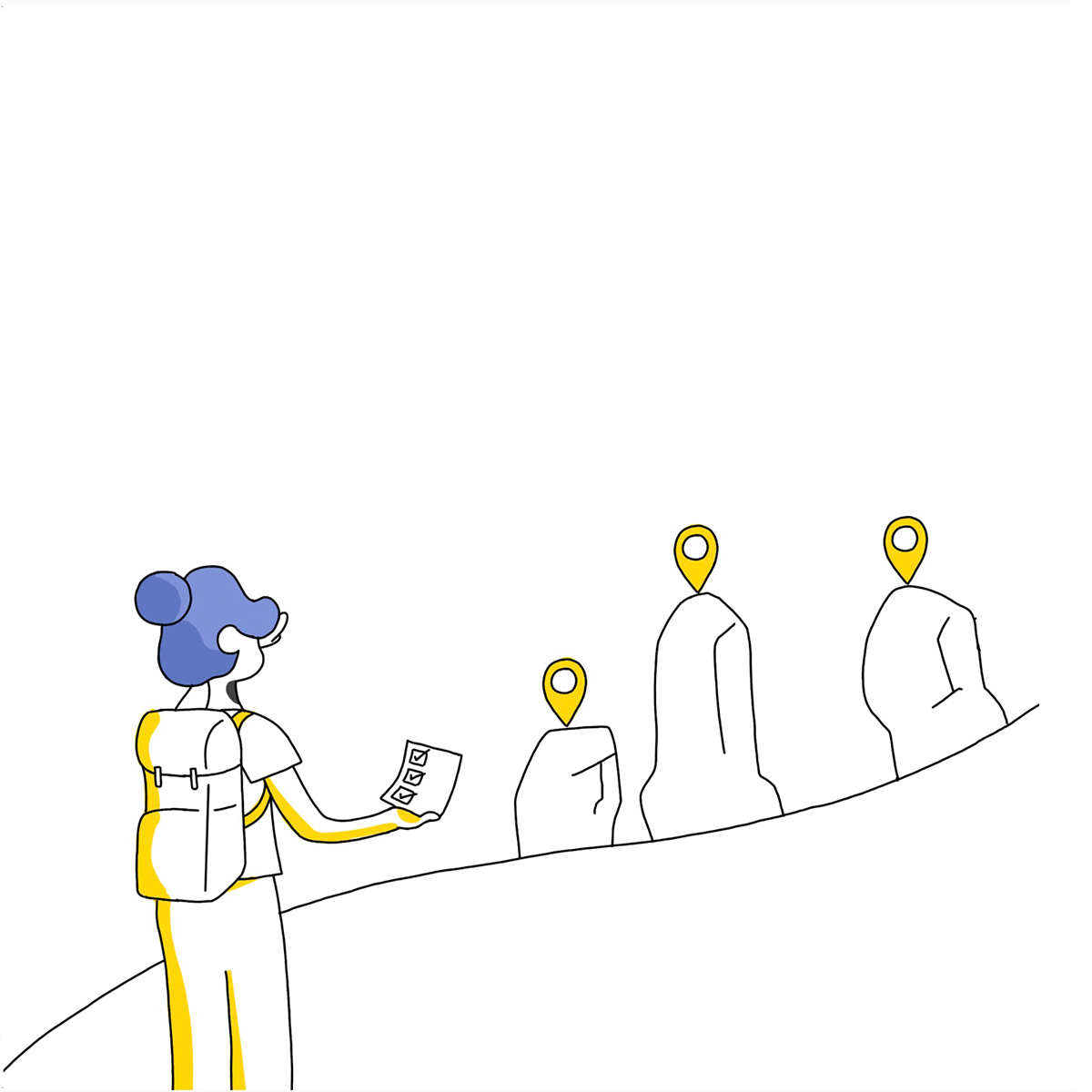

A future state prototype creates a tangible guide for the road ahead
The project outputs supported a rigorous evidence-based business case for further developing a national approach to digitising the diagnostic process By providing a clear articulation of the problem to be solved and the resulting benefits from implementing the future state we designed. This is an important step towards creating a connected healthcare system with safe and ethical sharing of data for better patient and clinician experiences, and a more efficient health service.