Grounded in context: combining contextual research with behavioural science to encourage walking
The Heart Foundation
Connected Health, Social Innovation
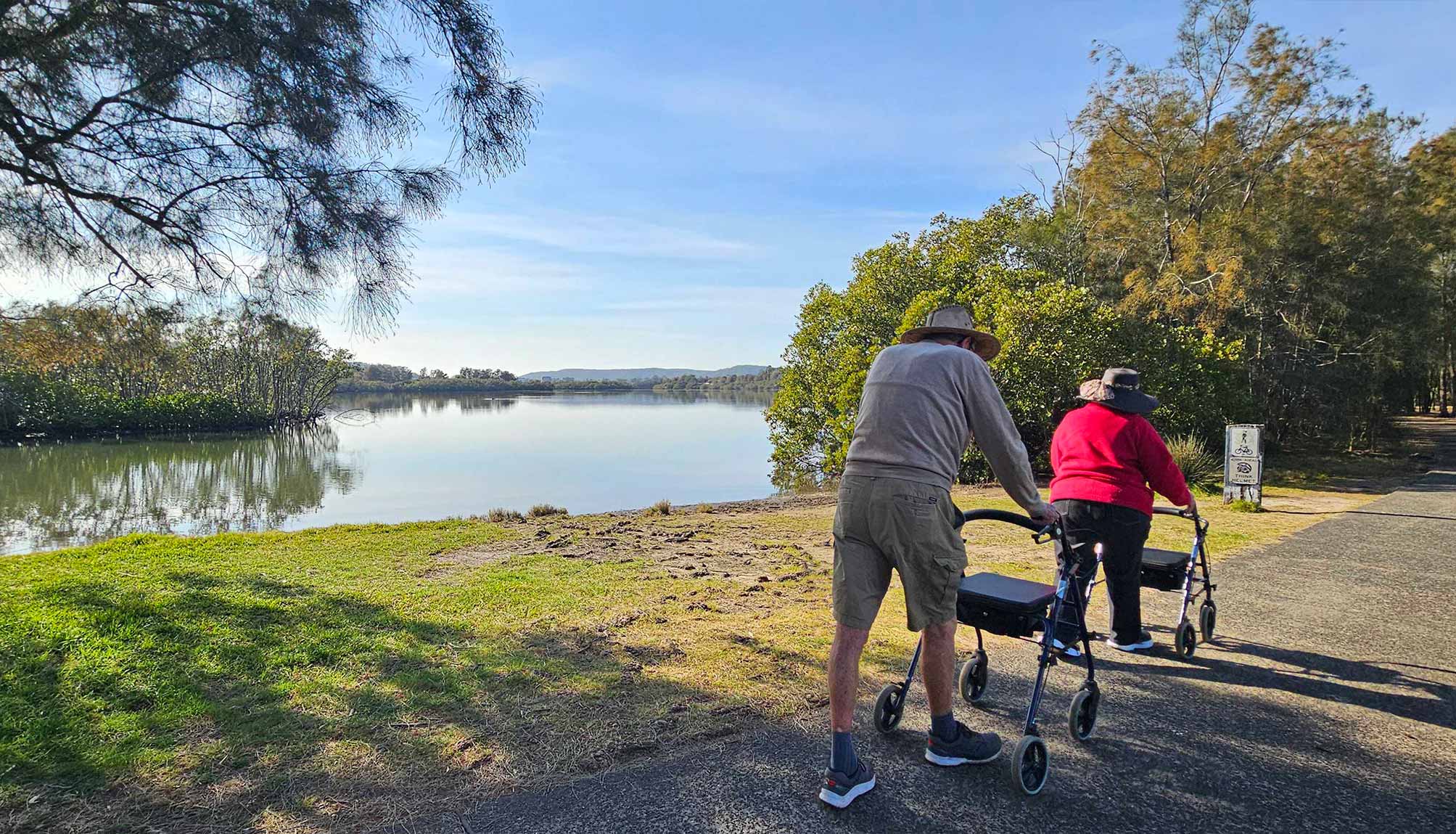
The Heart Foundation sought to improve engagement in its group walking program that aims to reduce the risk of heart disease across Australia. Tobias conducted in-depth qualitative research, applying behavioural science to understand the current walker experiences. Through immersive fieldwork and co-design workshops, we developed actionable insights and recommendations for future program development, ensuring it supports prolonged engagement and continued impact.
Real-world insights to shape impactful, human-centered program improvements
To enhance the Heart Foundation group walking program, we needed to understand walkers and organisers in their natural settings. Observing them in context revealed authentic, nuanced insights into real-world behaviours and social dynamics – things that are hard to uncover in remote interviews. These findings guided the design of meaningful interventions for the long-term success of the program.
Behavioural research and co-design to reimagine the walker experience
Our approach centred on understanding walkers and organisers in their natural settings, blending contextual research with behavioural science to uncover the deeper drivers of engagement.
- Insight mapping
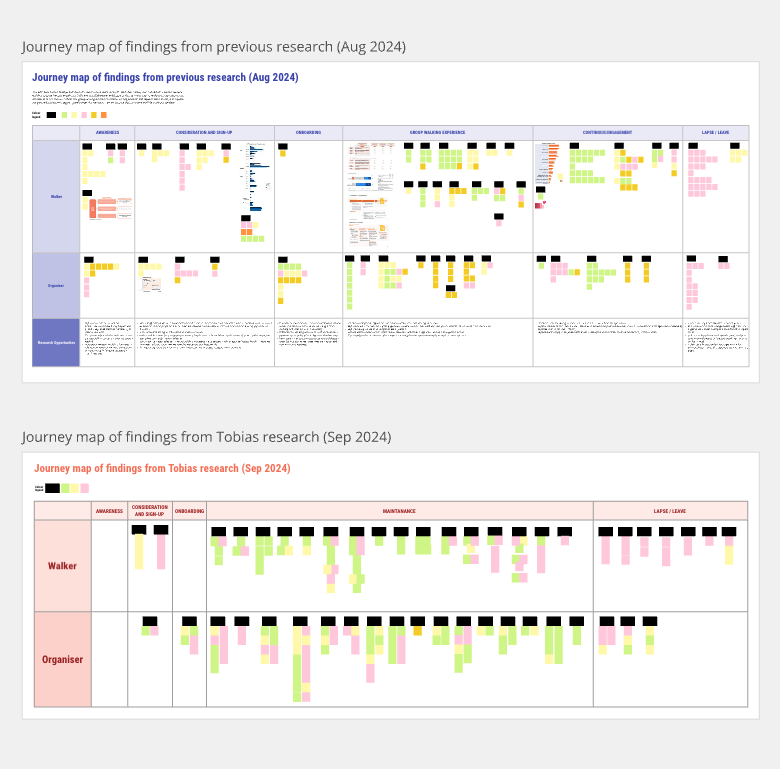
We began by reviewing existing data and research from the Heart Foundation’s walking program and mapping the walking journey across various stages. This allowed us to identify knowledge gaps and set clear project goals that would guide the design of research activities.
- Interviews with organisers:
One-on-one interviews with walking group organisers provided key insights into how they manage groups, foster engagement, and navigate challenges. This helped us understand the support they need to sustain participation and their role as the enabler for walking groups.
- Contextual research through walk-along
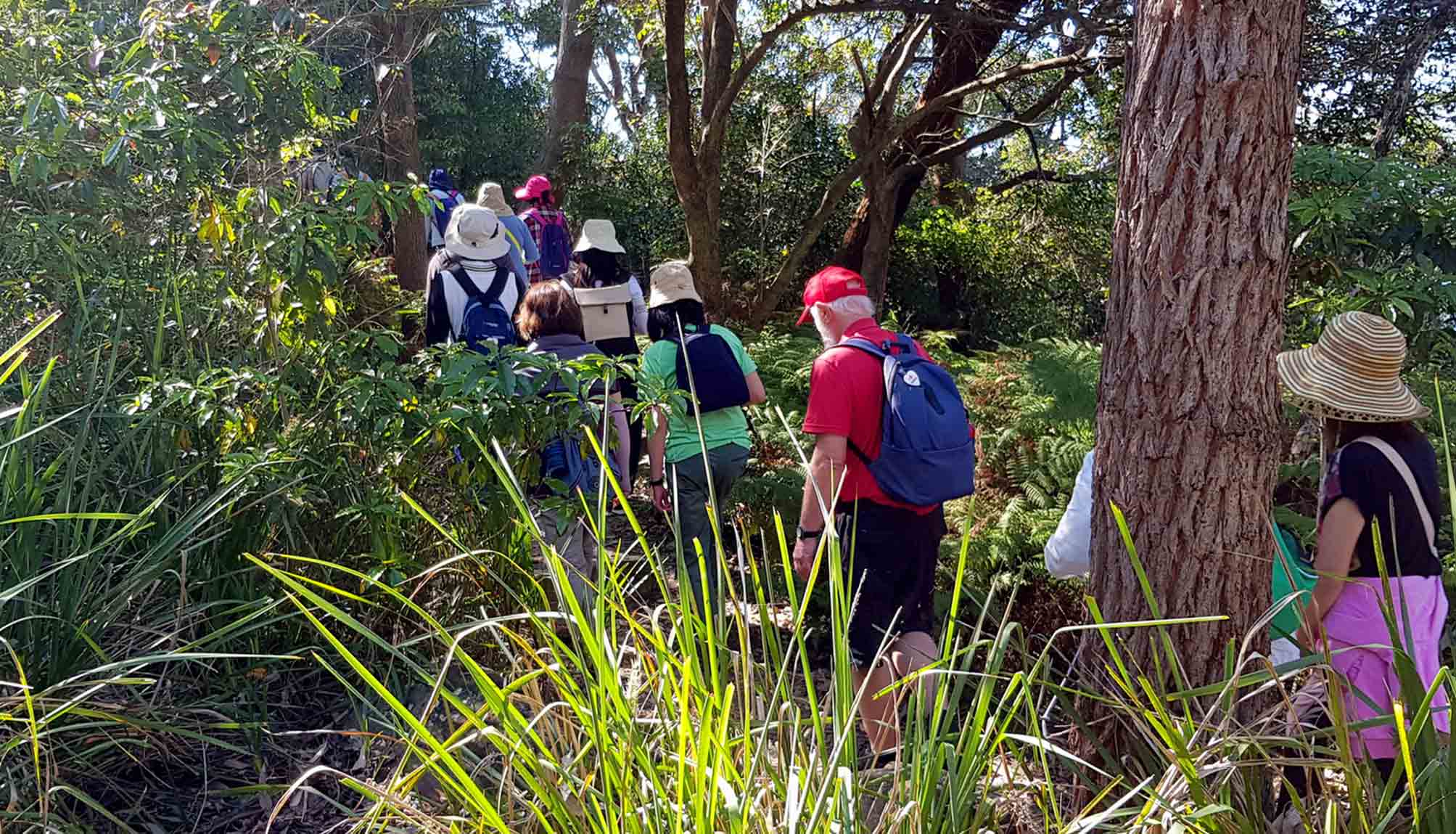
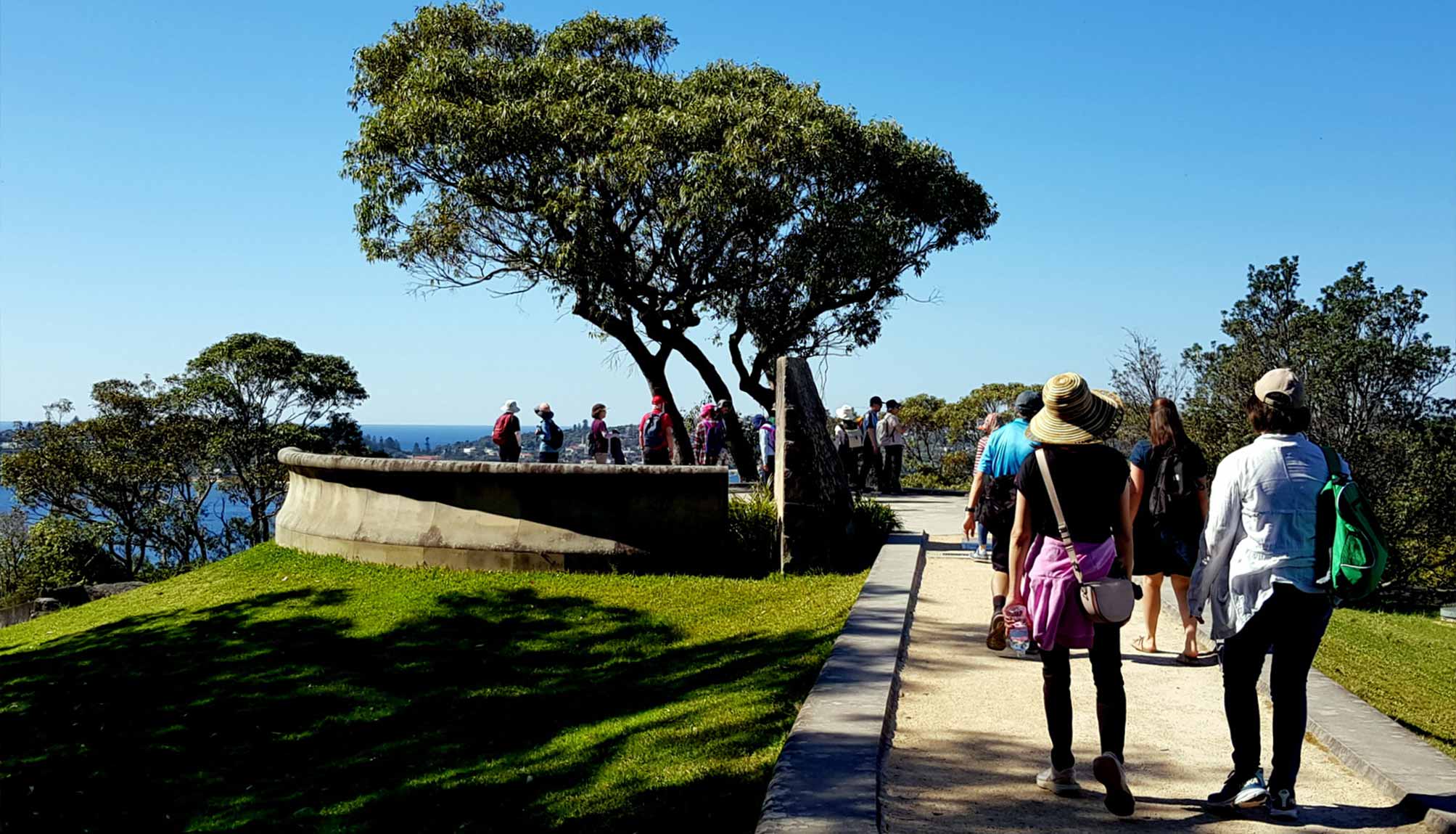
By joining walkers on their regular walks, we observed behaviours, group dynamics, and environmental factors influencing engagement which would not have surfaced in remote interviews. Our multi-lingual researchers also facilitated conversations with walkers in Mandarin and Cantonese, ensuring the inclusion of Culturally and Linguistically Diverse perspectives.
- Co-design workshops with walkers
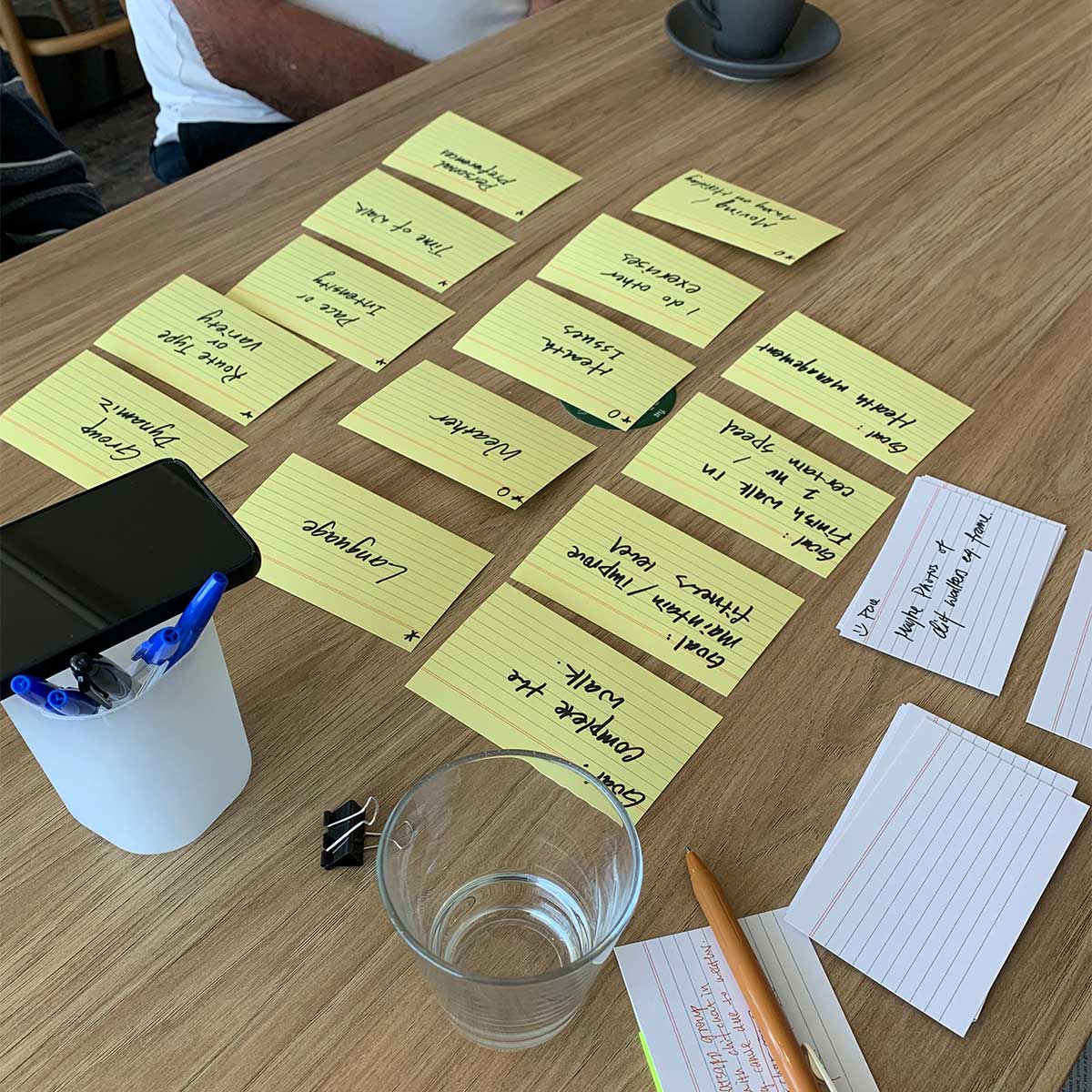
Following the walk-along, we engaged walkers in co-design workshops where they could share and discuss their motivations, goals, challenges and ideas for program improvements. This collaborative process allowed walkers to contribute their insights directly, shaping the future direction of the program.
- Co-design with the Heart Foundation team
We synthesised research findings and co-design outputs in a workshop with the Heart Foundation team to prioritise design opportunities, ensuring the program’s future development was aligned with both walker needs and organisational goals.
- Synthesis and reporting
The final step involved compiling the insights from all research activities into a comprehensive report. This report combined qualitative data with behavioural science theory, offering a clear set of actionable recommendations and next steps for the program’s continued success.
Evidence-based insights for a sustainable and impactful walking program
In this five-week project, Tobias delivered:
- Organiser case studies: Detailed profiles highlighting their ways of managing groups, challenges and support needs for encouraging participation.
- Insight maps: Overview of the previous and latest research findings mapped across the walking journey stages.
- Research report: Qualitative insights paired with behavioural science analysis, providing actionable program improvements.
Our work laid the groundwork for the Heart Foundation’s enhanced walking program, empowering sustained engagement and long-term success.